
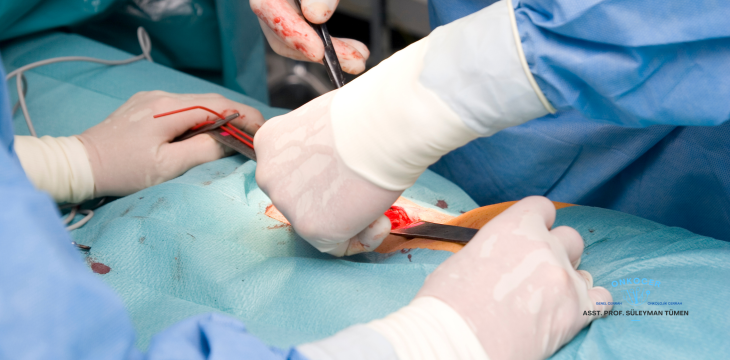
Abdominal and Inguinal Hernia Surgery: Diagnosis, Treatment, and the Surgical Process
Experiencing a bulge, pain, or discomfort while moving around in your abdomen or groin can make daily life challenging. When such symptoms arise—especially in individuals who have undergone cancer treatment—the concern can be even greater. Questions naturally come to mind: "Is this connected to cancer?", "Will I need surgery?", or "Could a past operation have caused this hernia?"
Abdominal and inguinal hernia surgery encompasses a range of surgical techniques designed to repair hernias, which occur when internal tissues push through weak spots in the abdominal wall. The optimal treatment strategy is tailored based on the hernia’s location and size, as well as the severity of the patient's symptoms and overall health status.
What Is an Abdominal Hernia?
The abdominal wall is a vital structure that protects the internal organs and tissues within the belly. When weaknesses or openings develop in this area, internal tissues can bulge outward, resulting in an abdominal hernia.
Abdominal hernias can also form along the incision sites of previous operations. These are specifically referred to as incisional hernias.
However, not every bulge noticed in the abdominal region is necessarily a hernia. For this reason, a thorough evaluation by a general surgeon is essential for an accurate diagnosis.
How to Recognize an Inguinal (Groin) Hernia
An inguinal hernia occurs when internal tissue bulges through a weak point in the lower abdominal wall near the groin. Common signs and symptoms include a noticeable bulge in the groin area, a protrusion that becomes more pronounced when standing or coughing, pain, and a persistent feeling of heaviness.
While some individuals may only notice the hernia during specific movements or activities, symptoms can become more pronounced over time.
Any newly discovered bulge in the groin area should never be ignored and should be evaluated promptly by a specialist.
When Is Hernia Surgery Necessary?
Treatment is not one-size-fits-all for every hernia. The decision on whether surgery is needed depends on several factors, including the patient's symptoms, the size and location of the hernia, and the overall risk of complications.
When planning abdominal or inguinal hernia repair, a patient’s surgical history and underlying medical conditions must be carefully considered.
Surgical planning requires an even more comprehensive assessment, particularly for patients with a history of cancer treatments or extensive prior abdominal surgeries.
Hernia Surgery in Cancer Patients
In cancer patients, a newly appearing abdominal bulge should not automatically be assumed to be a hernia. Especially in those who have undergone previous abdominal cancer operations, changes around the surgical site can stem from various underlying causes.
Therefore, a detailed physical examination—supplemented by diagnostic imaging when necessary—is essential.
The timing and surgical approach for a hernia are determined by collectively evaluating the patient's previous cancer operations, past therapies, and current overall health status.
Do Not Delay Seeking Care for Hernia Symptoms
A bulge in the abdomen or groin does not always signal an emergency. However, if the protrusion gradually enlarges, pain intensifies, or it begins to interfere with your daily life, it is crucial to consult a general surgeon for an evaluation.
Particularly if you have a history of cancer treatment or major abdominal surgery, seeking professional medical guidance rather than attempting to self-diagnose newly emerging symptoms is the safest approach.
Abdominal and inguinal hernia surgery is a personalized treatment plan tailored to the individual and the unique features of the hernia. Achieving an accurate diagnosis and choosing the appropriate surgical strategy relies on a comprehensive assessment of the patient's overall health, surgical history, and current complaints.